Fala português? Fazemos vistorias de entrega independentes antes da escritura e do auto de receção — informação em português aqui.
At the end of your new-build walk-through in Portugal, someone will hand you a document and a pen. The document is the auto de receção — the formal record that you’ve received the property — and the way most handovers are run, you’ll be expected to read it, agree it, and sign it standing in your new kitchen while the sales rep checks their watch.
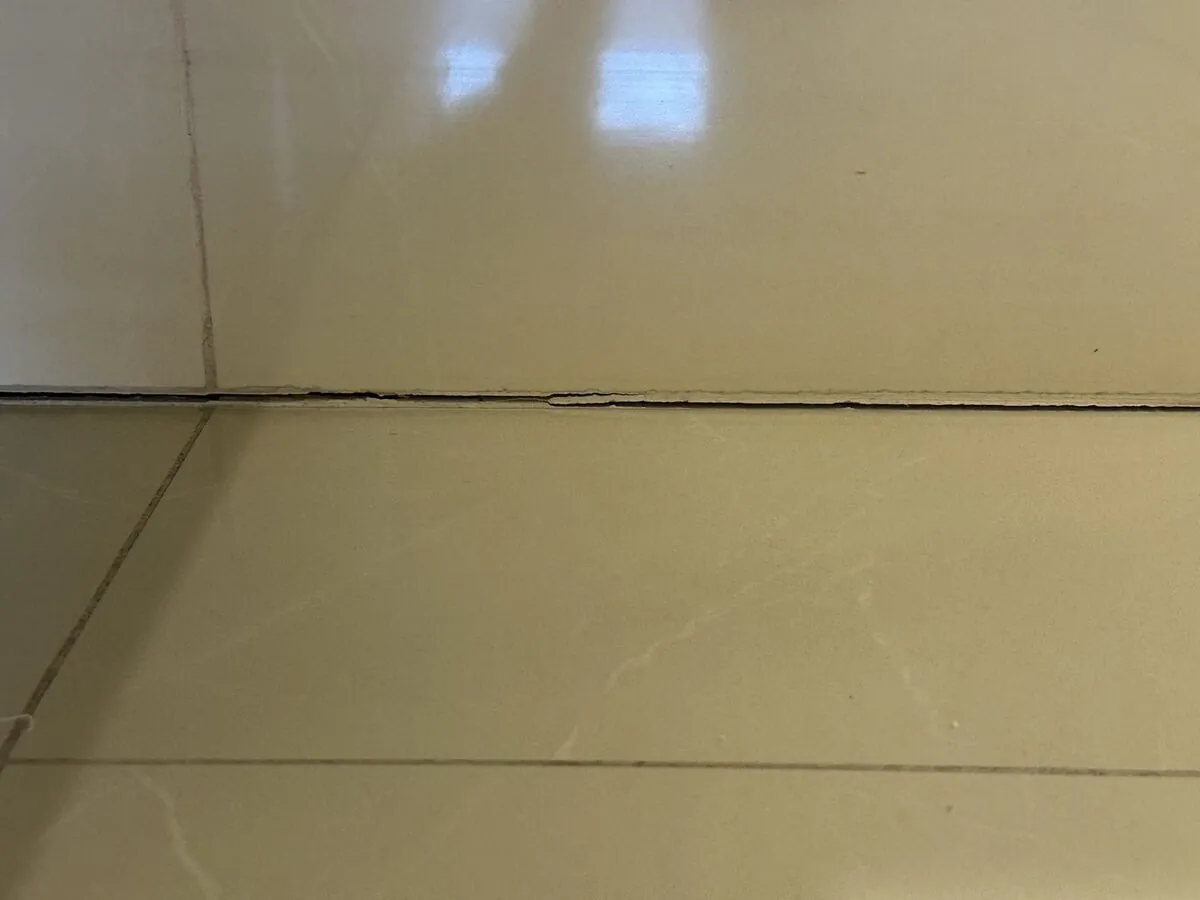
I’ve stood in a lot of those kitchens. Here’s what that document actually is, why it matters more than almost anything else you’ll sign that month, and how to handle it properly.
What the document is
The auto de receção (you’ll also see it called the auto de entrega, or simply the handover minutes) records two things: that the property has been delivered to you, and the condition it was delivered in. It sounds administrative. It isn’t.
Think of it as the “before” photo for every argument you might ever need to have with the developer. From the moment you sign, the burden of the conversation shifts: anything wrong with the property that’s written on that document is a defect the developer received notice of, in writing, at handover — dated, signed, on their own form. Anything wrong that isn’t written down becomes a discussion about when the damage happened and who caused it. Was that chip in the glass there at handover, or did your removal company do it? You know the answer. Proving it is a different matter.
One more thing worth being clear-eyed about: the developer’s lawyer drafted the form. It wasn’t written to protect you. Some versions are perfectly fair; some contain wording that has you receiving the property “in good condition” in terms broader than anything you’d knowingly agree to. Have your own lawyer look at the wording before the visit — before, not after, because the moment to negotiate what the form says is not while the rep is holding out the pen. That’s a five-minute job for a lawyer and it’s worth every cent.
The three rules
Everything I know about handling this document comes down to three rules.
Rule one: never sign at the end of a rushed visit. The walk-through and the signature are treated as one event, and they shouldn’t be. Inspect first — properly, at your pace — and sign after. The sales agent will have planned twenty minutes for your visit. Take ninety. Nobody can hurry you through the receipt of the largest purchase of your life, and a rep who tries is telling you something about how the developer handles buyers who don’t push back.
Rule two: every defect goes on the document before your signature. Every one. The scratched pane, the hollow tiles, the socket that doesn’t work, the blind that jams, the silicone gap in the shower corner. If the form doesn’t have room, the defects go on an annexed list — signed by both parties and referenced on the auto itself, so the two documents are legally joined. A defect on an unreferenced side-list is barely better than a defect mentioned out loud.
Rule three: “don’t worry, we’ll sort that” goes in writing anyway. You’ll hear this, usually delivered warmly, about at least one thing you find. Lovely — write it down anyway. An honest developer doesn’t mind seeing the item on the list, because they were going to fix it regardless. A developer who bristles at writing down something they’ve just promised to fix has told you exactly what their promise is worth. Either way, you learn something useful.
Buying new? A handover inspection before you sign gets the defects on paper while the developer still has to fix them. From €590 + IVA.
“Com reservas” — the phrase that does the work
If you take one Portuguese phrase into your handover, make it this one: assinar com reservas — to sign with reservations. It’s the difference between refusing to sign (which stalls the process and rarely helps you) and signing a clean acceptance (which helps only the developer).
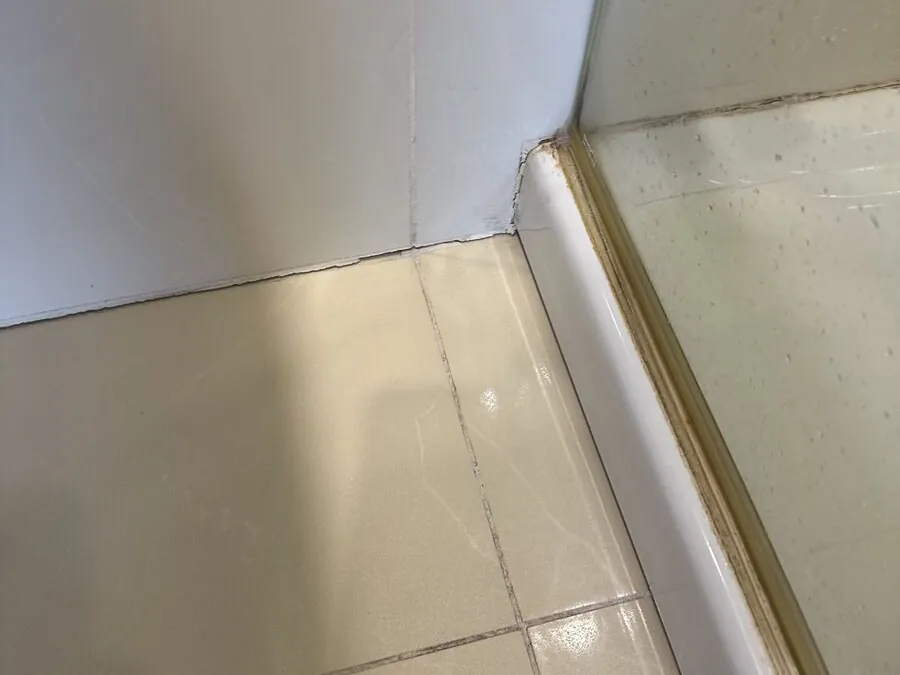
Signing com reservas, with your defect list written on or annexed to the document, means the handover proceeds — the escritura can go ahead, the keys change hands — but the record shows you accepted the property subject to the listed defects being made good. You’re not blocking the purchase. You’re refusing to pretend the property is something it isn’t. That distinction is the entire game.
In practice, next to your signature or in the observations field, the defects are listed or the annex is referenced, and the acceptance is expressly made with reservations as to those items. Your lawyer will have a preferred wording — this is exactly the kind of line worth agreeing with them before the visit.
What this looks like when it’s done well
The version of this I try to get every client to, whether they hire us or do it themselves:
The buyer arrives with the contract and the finishes specification — the caderno de encargos — because the standard you’re checking against is what was promised, not what looks nice. They walk the unit for an hour and a half, testing everything that moves: every tap, every socket, every window, every door, twice. Defects get marked with painter’s tape as they’re found and photographed with something in frame for scale. By the end there’s a list — on a typical new unit, dozens of items, most minor, a handful that matter.
That list goes onto the auto de receção or a signed, referenced annex. The buyer signs com reservas. Copies of everything — the auto, the annex, the photos — go to their lawyer the same day, and the lawyer sends the developer a defect notification letter so the record exists in the file that matters.
Then the fixes happen — and here’s the part most buyers don’t appreciate until they’ve seen it: fixes agreed before the escritura, while the final 70 to 80 per cent of the purchase price is still in the buyer’s account, happen at a speed that will genuinely surprise you. The same list submitted three months after completion is a year of correspondence. The document is the same; the leverage isn’t.
What the auto de receção can’t do
A word of honesty about the limits. The auto de receção records what you found. It can’t record what you couldn’t see — and on a new-build, the expensive category of defect is usually invisible at handover. Insulation missing inside a finished wall, moisture already sitting in a screed from a slow leak, thermal bridges that will grow condensation and mould next January: none of it shows on a walk-through, all of it shows on a thermal camera. The paperwork discipline in this post protects you on everything visible. The invisible category needs equipment, and that’s a different post — and, frankly, a different kind of inspection.
The document also isn’t the end of your rights — legal defect-guarantee periods run beyond handover, with windows and dates that depend on your contract and the nature of the defect. Confirm the specifics with your lawyer rather than the internet, this post included. But treat those guarantees as the safety net, not the plan. The plan is to catch it, write it, and have it fixed while your money is still doing the negotiating.
The short version
The auto de receção is your evidence, drafted by the other side’s lawyer, signed at the moment of maximum time pressure. So remove the time pressure: inspect first, sign after; every defect in writing before the pen moves; sign com reservas with the list attached; copies to your lawyer the same day. Twenty careful minutes of paperwork at the end of a ninety-minute walk-through — that’s the whole discipline, and it’s worth more than any clause in your contract.
We’ve put the full walk-through — what to test, what to bring, and the paperwork mechanics above — into a free checklist, in English and Portuguese, written by a builder rather than a lawyer or an agent.
Getting the keys to a new build?
We inspect it before the escritura or the auto de receção and give you a bilingual snag list for the developer to work through. Thermal imaging included. From €590 + IVA, report within 48 hours.
Book a handover inspectionWhat a handover inspection coversOr message Brad on WhatsApp. Same-day reply.
Completion coming up and you’d rather have the inspection, the Portuguese snag list, and the lawyer letter handled for you? That’s what we do — independently, before you sign: antipodeanporto.com/handover-inspection.