On Site
The unglamorous middle, done properly.
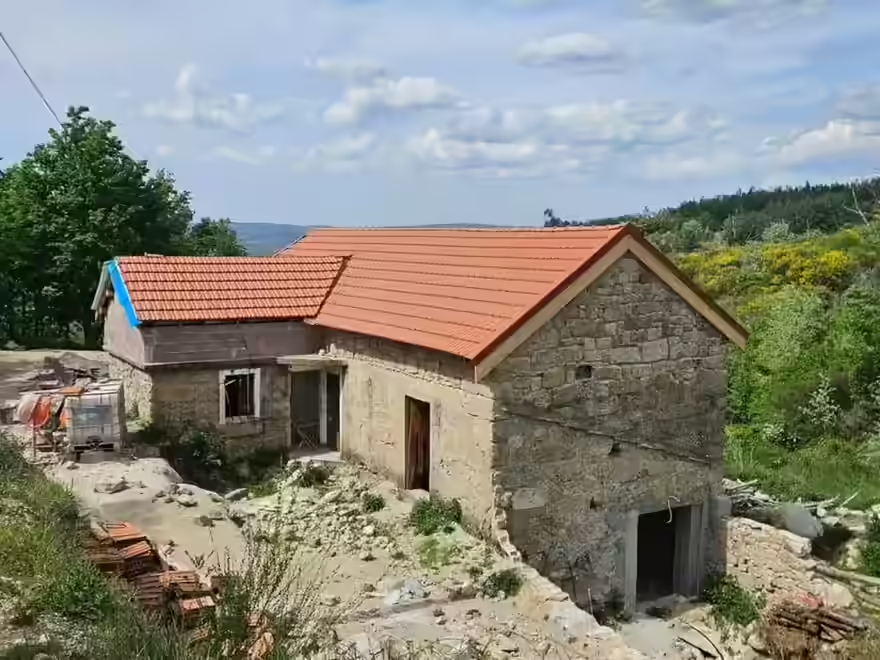
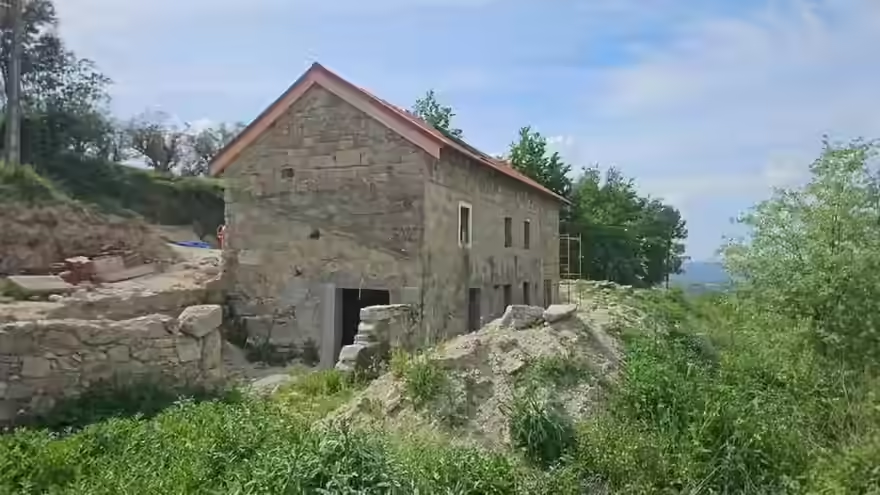
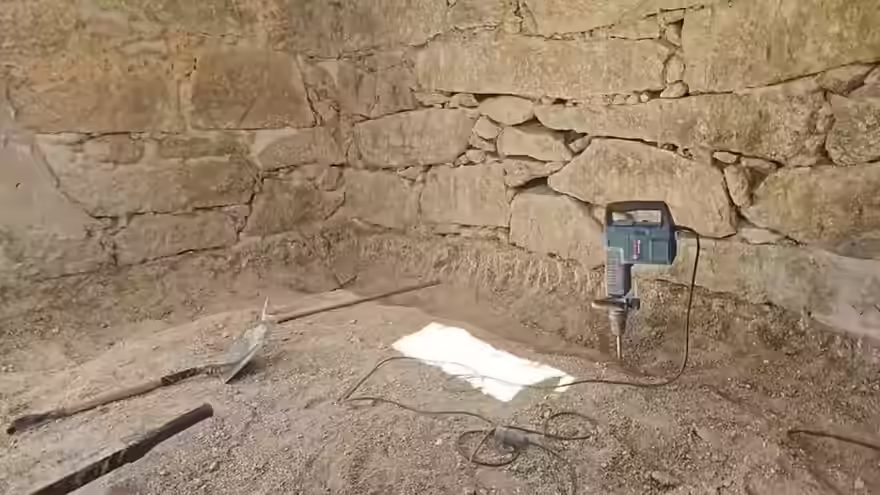
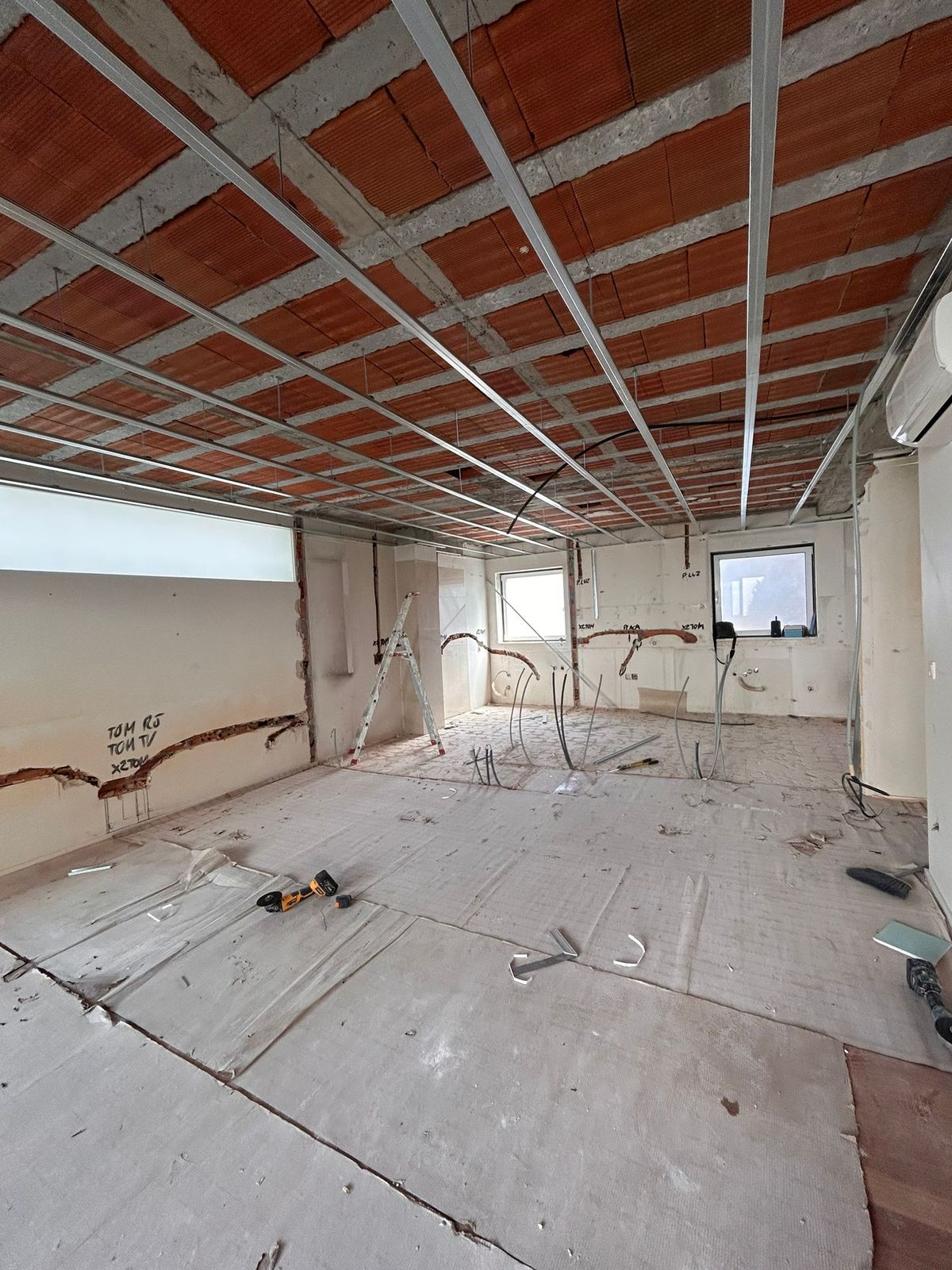
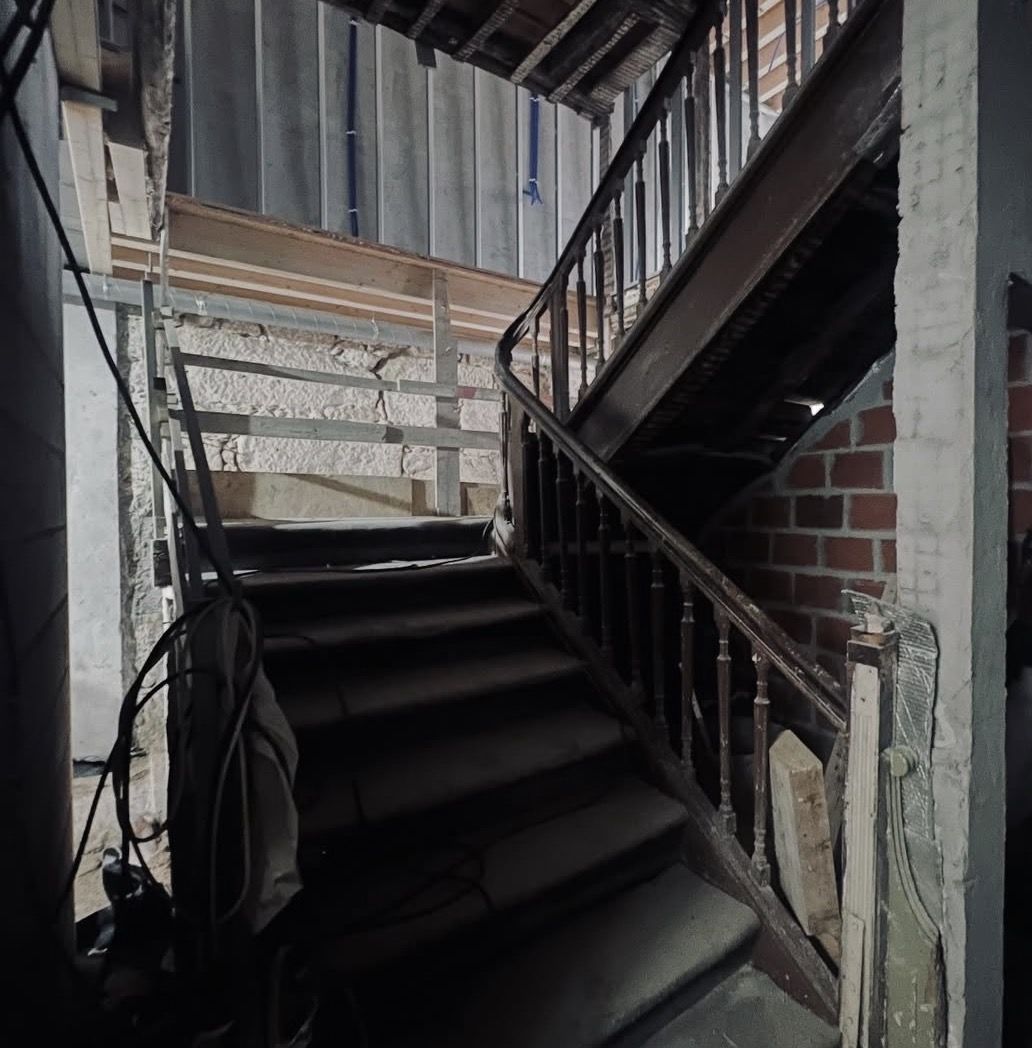
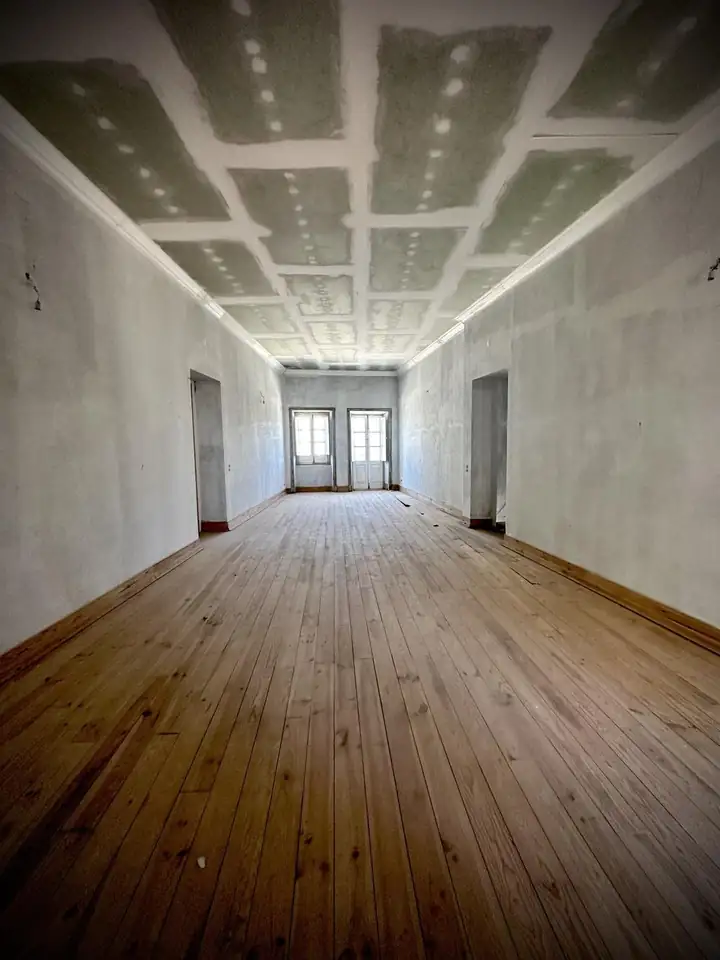
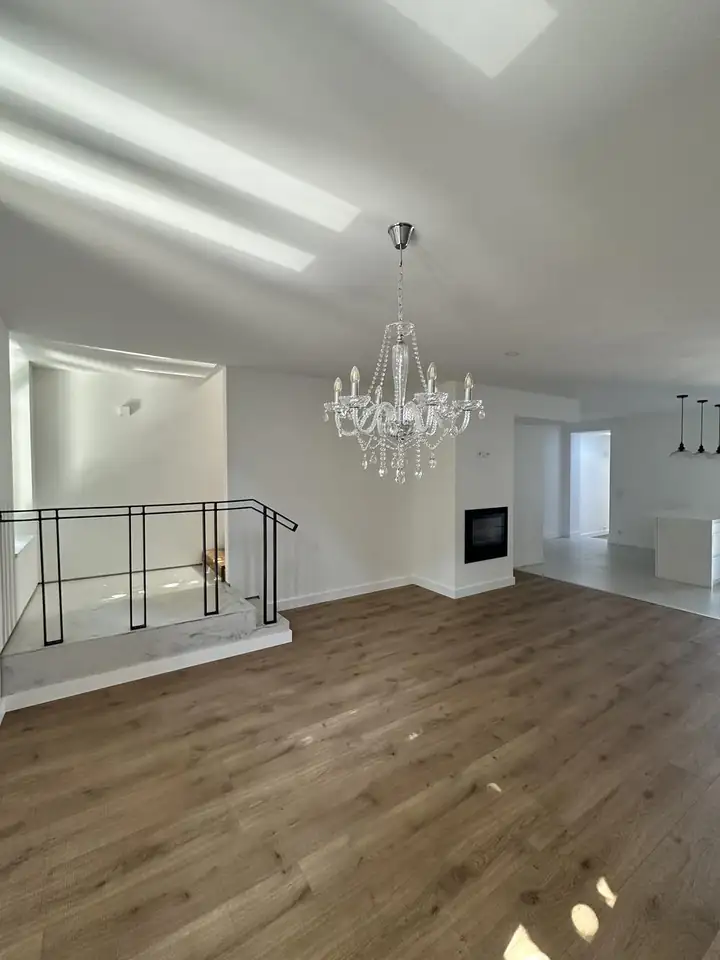
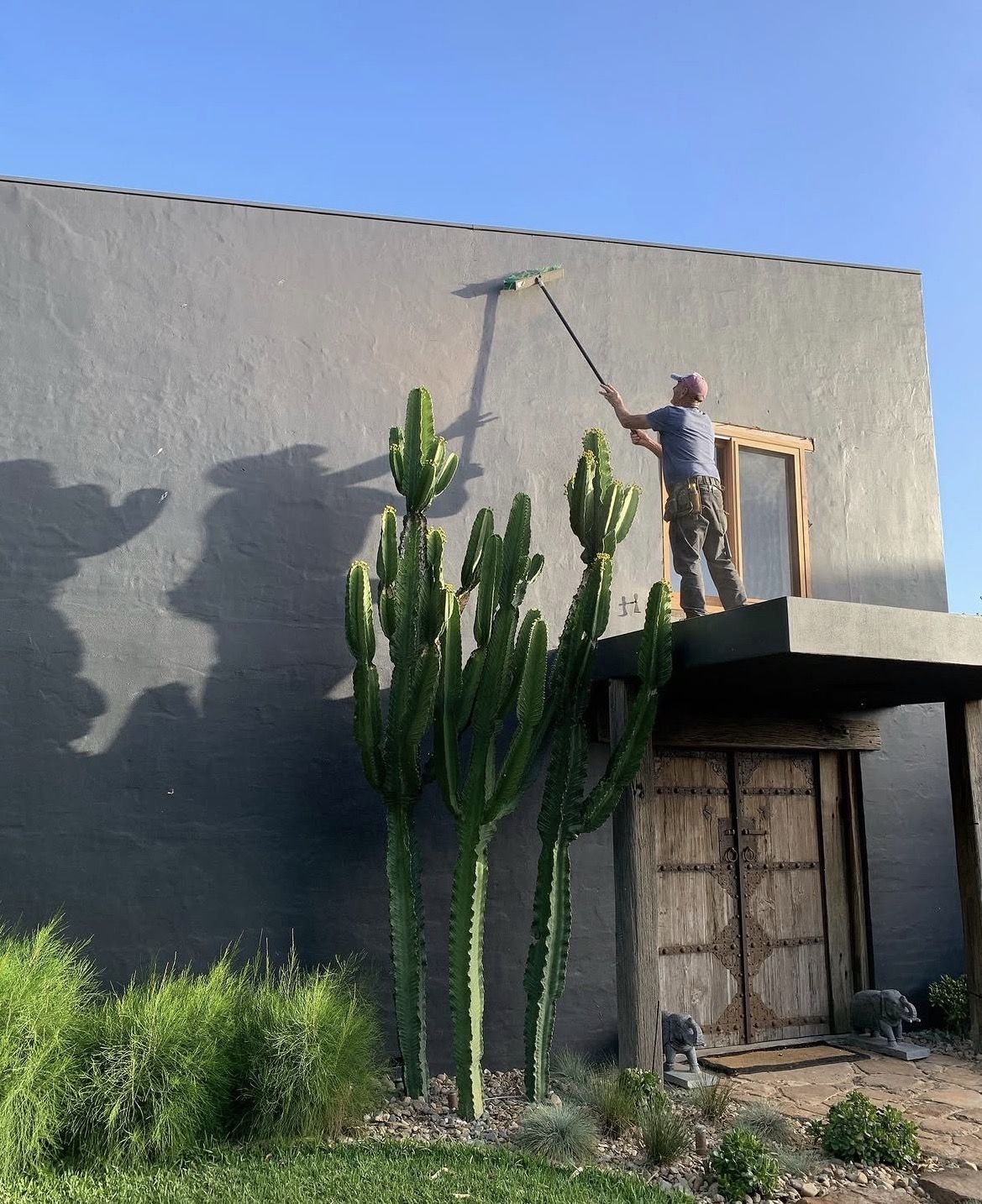
Whole-house renovations, the restoration of old stone and granite buildings, and new builds — built with our own team of Portuguese trades, under an English-speaking builder, on our own contract. Porto and the north as standard, further by arrangement. If you’d rather we tendered the work to other builders and stood over them for you, that’s Project Management, and it’s a separate service on purpose.
Most of what we build is for people who live somewhere else and have bought something that needs more than paint: a townhouse that wants gutting, a quinta with a roof and not much else, a plot with drawings. We take on whole-house jobs and larger. If it’s one room, tell us anyway and we’ll say honestly whether it’s us or somebody we’d trust with it.
Bradley has 25 years on the tools across Australia, the UK and Portugal and runs the site. Mafalda designs and specifies the work and stays on it while it’s built. The trades are ours, people whose work we’ve stood over for years. You deal with us. We deal with the site.
Buying before you build? Start with an independent pre-purchase survey — we’ll tell you exactly what the property needs before you commit a euro to the work, and the same people who inspected it can build it.
Sequenced properly, scoped in detail before a euro is spent, and finished to the standard we’d accept on our own house.
Structure, roof, waterproofing, drainage, rewiring, plumbing, insulation, then the finishes — in that order, because that’s the order that stops you paying twice. Most renovation disputes in Portugal start with a vague quote. Ours starts with a builder’s scope of works and a realistic budget, agreed before anything is touched, and one point of contact from the first walkthrough to handover.
Granite, lime, timber and tile don’t behave like modern materials. Seal an old building up with cement and plasterboard and you trap the water and rot the beams; it’s how most “renovated” quintas fail inside five years. We restore them the way they were built — lime render, breathing walls, timber roofs and floors repaired rather than replaced, original stairs and joinery kept where they’re sound — and we know the paperwork that comes with them: ARU, heritage zones, the Câmara’s notice periods and what triggers an architect or engineer.
From the ground up, working with your architect or helping you find the right one. Licensing, foundations, structure, envelope, services, fit-out, handover — a twelve-to-eighteen-month programme with real dates on it, run by someone answerable to you. Built by our team, or managed independently while a vetted contractor builds it.
How a new build runs →Antipodean is a licensed builder and an independent project manager. Those are two different services and we keep them firmly apart, because the value of the second depends entirely on it.
Project Management — we manage independently and tender your job to external, vetted builders. No commission. You hold the contract.
Construction by Antipodean — we build it directly with our own team, on our own contract. That’s this page.
If we ever put our own crew into a tender on a managed job, we tell you — openly, in writing, so you decide with the full picture.
Our own team, with Mafalda designing and specifying and Bradley running the site. Every decision goes through one person, in your language, and nothing gets lost between the drawing and the wall.
Measured, specified and priced. Not a page of round numbers.
Roof, water, structure, services. The kitchen waits its turn.
Sequenced trade by trade, with the Câmara’s notice periods built in.
Hold-points at every stage, before the next one starts.
Photographs and a written report at every stage, wherever you are.
Almost always. A pre-purchase or pre-works survey tells you what the building actually needs, so the money goes on the envelope — roof, water, structure, electrics — before anything cosmetic. On an old building it also tells you whether it’s worth restoring at all.
Yes. Porto and the north as standard, and we take on the right jobs further afield — the Silver Coast, the interior, Lisbon, the Algarve. Distance is in the quote and you see it before you commit.
Three months minimum, six is more realistic, and a restoration or a new build usually wants longer. People ring in March wanting to be in by July, and that timeline was gone before they picked up the phone. Pricing a job properly takes a few weeks on its own, then you sit in the queue behind the work already on the books. Any builder free to start next week is a builder nobody else has hired.
Wherever they’re sound, yes. Stonework, timber, staircases and period detail are usually what made the property worth buying. We restore them rather than cover them over, and on a listed building or one inside an ARU we know which of them the Câmara will insist on.
Yes, but that’s not this page. If the contract sits with somebody else and you want us on your side of the table, that’s Project Management: we vet, tender, check every invoice and hold the job to the drawings, and the contract stays in your name.
We’re a fully licensed and registered Portuguese construction company — IMPIC Alvará n.º 109726-PAR, NIF 517 418 657 — which you can verify yourself on the IMPIC public register. In a sector where many operators hold no licence at all, we’d encourage you to check ours and anyone else’s.
Independent. No commissions, no referral arrangements, no conflicts — the same principle that applies to our building surveys and our project management.