Last month we inspected a second-floor flat in an old granite townhouse in the north. Renovated in 2023, and done properly: new wiring, new plumbing, both bathrooms waterproofed the right way, the original chestnut floor sanded back. We graded it B+ and told our client to buy it. The flat wasn’t the problem. The building had €456 in the bank.
You’re buying two things
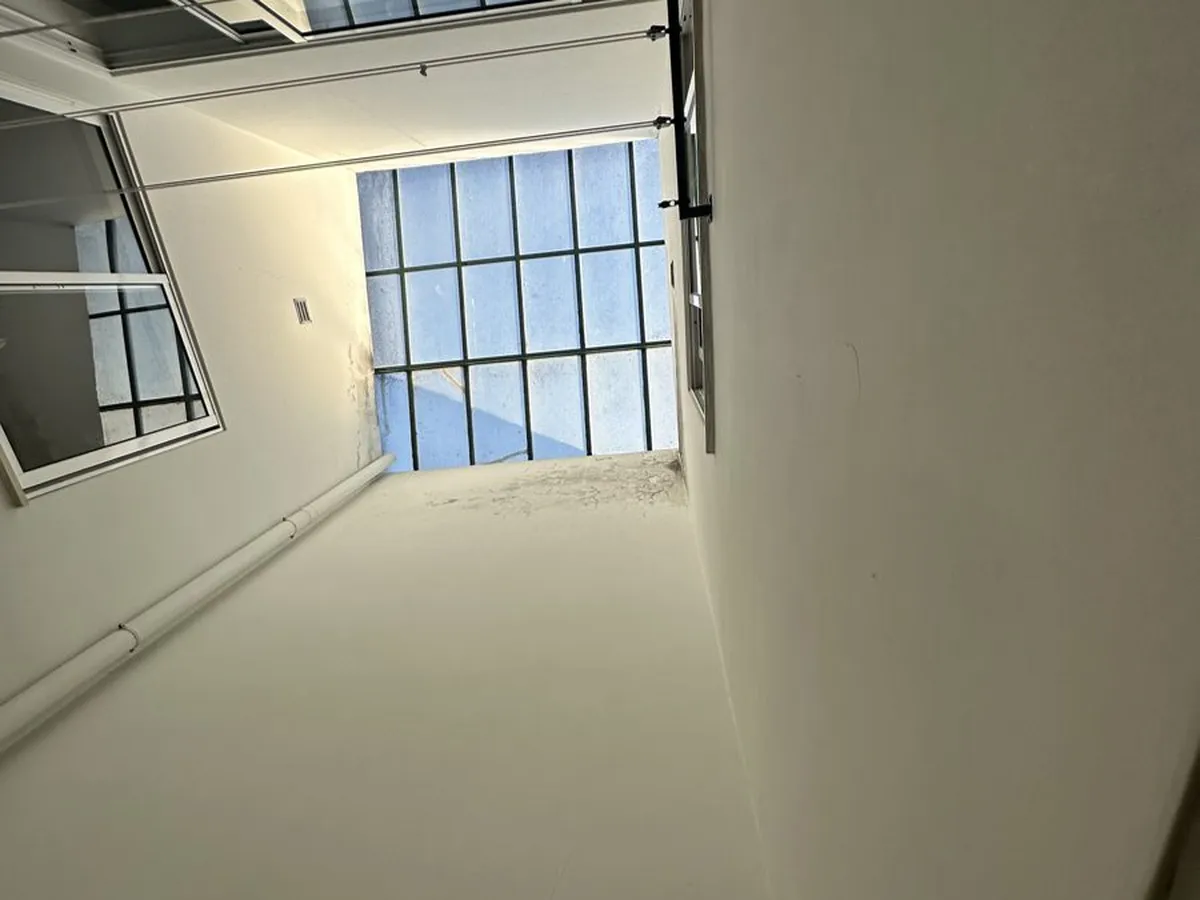
In a Portuguese apartment you buy the fração, which is yours, and a share of everything else. Roof, façade, light well, stair, drains. Your share is the permilagem, set out in the título constitutivo, and it decides what you pay when any of those need work.
This was a small building. Five units over a shop. Our client’s flat held 241‰, so 24.1% of any common works. The shop on the ground floor held 349‰, the biggest share in the building. Keep that number in mind.
What the minutes said
We read three years of condominium minutes and accounts. The whole annual budget was €1,683. Only the legal minimum of 10% went to the reserve fund, €153 a year, and at the end of 2025 there was €456.56 in it. No plan for the roof. No plan for the façade. No insurance line at all.
That means anything bigger than cleaning the stair and changing bulbs arrives as a special levy, a quota extraordinária. And there was plenty waiting.
What’s coming, and what this flat pays
We priced the common works the way we’d price them for the building, then took 24.1% of each:
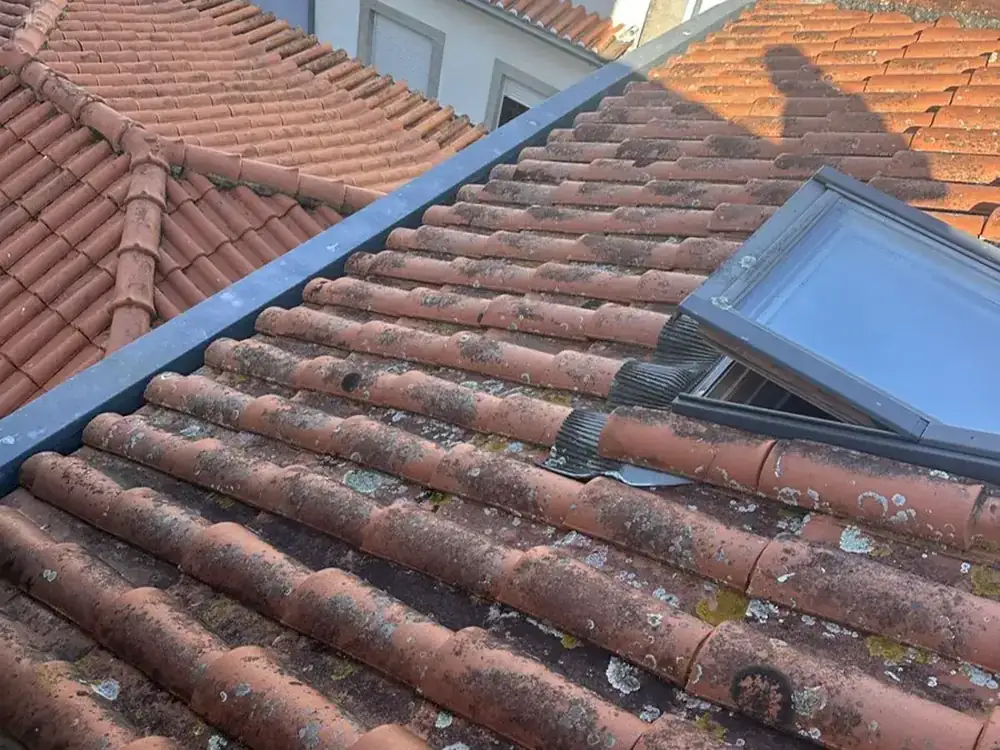
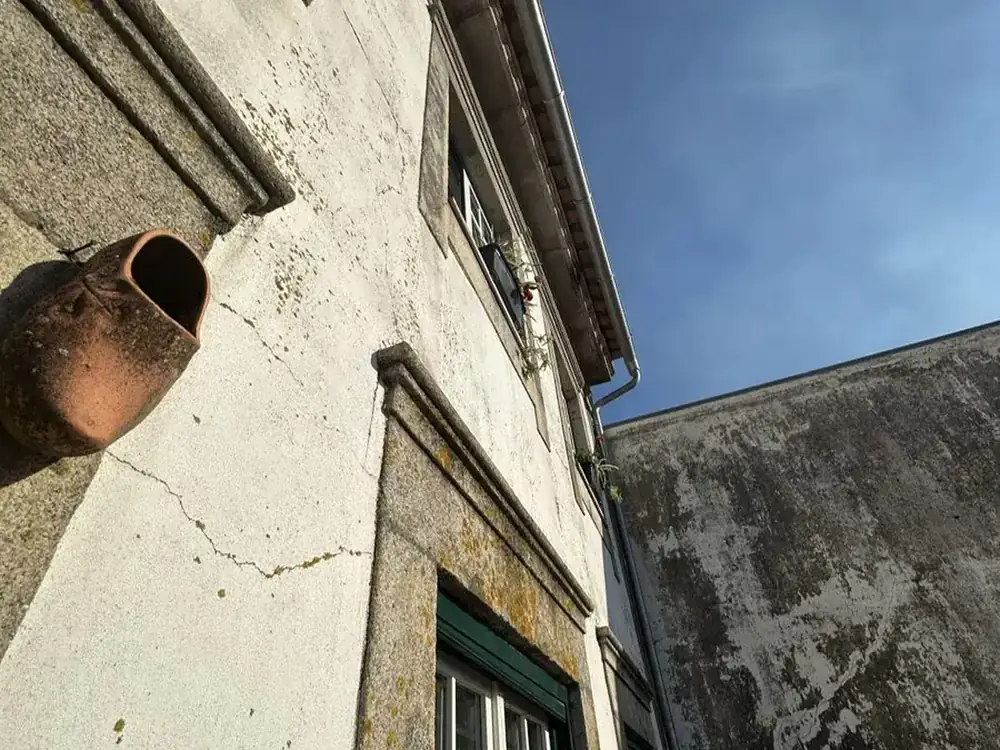
- Façade repaint, front and rear, with scaffold licence and render repairs: €18,000 to €30,000 for the building. €4,340 to €7,230 for this flat. Not raised by the condominium yet. We’d expect it within three to five years.
- Skylight overhaul or replacement: €4,000 to €8,000. Share €965 to €1,930.
- Drains under the shop, if its floor has to come up: €2,000 to €6,000. Share €480 to €1,445.
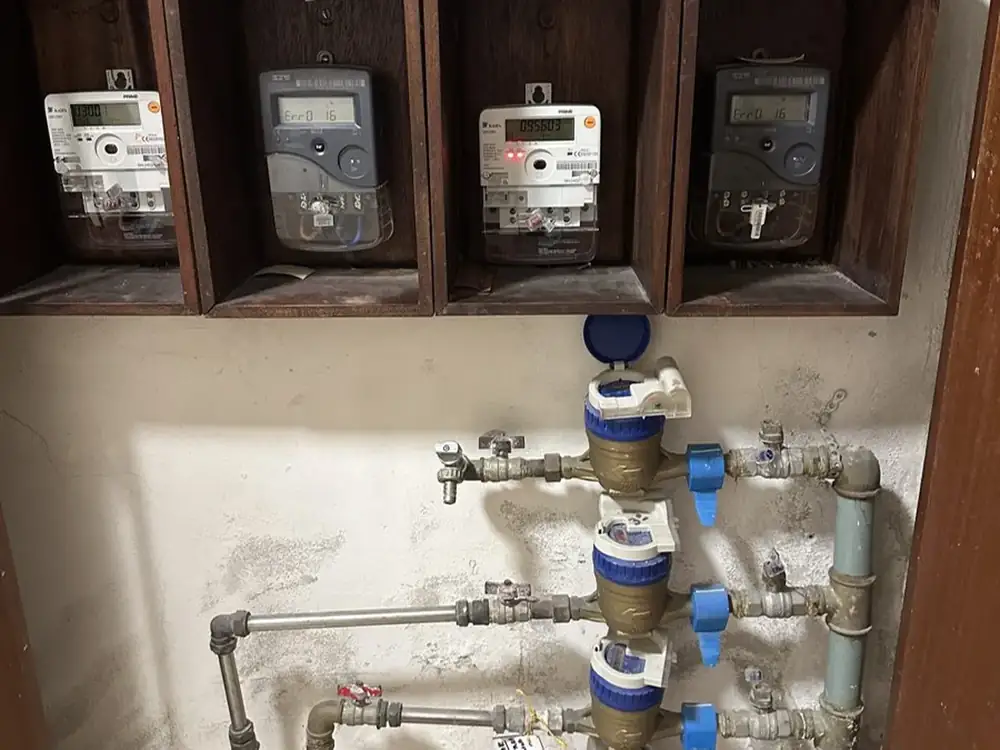
- Meter cupboard doors, already out to quote: share €145 to €360.
- Roof maintenance, every year: share €145 to €290.
Add the €482 share of the levy already voted and the total came to €6,557 to €11,737. The work inside the flat that our client would pay for directly came to €6,210 to €12,830. The shared costs were as big as the flat’s own list, and almost nobody looks at them before they sign.
Whoever turns up to the meeting decides what you pay
In August 2025 a drain blocked and leaked into the shop. The inspection chambers under the shop had been covered over by its floor, so the drain couldn’t be cleared properly and blocked again. At the December meeting a €2,000 levy was voted to rebuild the chambers. Only the shop turned up. With no flat in the room, its 349‰ carried the vote on its own at second call.
The minutes showed a pattern. The shop had already asked the flats to chip in for its floor after an earlier leak, and had ordered a €442.80 drain job without the other owners agreeing to it. None of that is unusual. It’s what happens in a building where most owners don’t go to meetings. If you’re buying from overseas, give a proxy to someone who will go, and make sure they know your position before they sit down.
The paperwork was loose as well
One budget sheet carried another building’s name. The tax number on the budget sheets didn’t match the one in the minutes. The 2024 accounts were missing from the file. The energy certificate called the flat a T3 built between 1991 and 1995. It’s a T2 plus office, in a building a great deal older than that.
None of it would stop the sale. All of it went to the lawyer before the CPCV, because a mismatch on the caderneta or the licence is the sort of thing that bites at the escritura, or years later when you sell.
What to get before you sign the CPCV
- The last three years of minutes (atas), accounts and budgets. Read them for leaks, works discussed, quotes received, levies voted, and who actually turns up.
- The reserve fund balance, and whether anything is earmarked for the roof or façade.
- Any special levy already approved, and written confirmation that the seller has paid their share.
- A declaração de não dívida from the administrator, confirming nothing is owed on the fração.
- Your permilagem, from the título constitutivo.
- How the building is insured. If the condominium has no policy, you’ll need fire insurance on your own fração, and your lawyer should check how the common parts are covered.
What we told our client
Buy it. We built a price conversation on the front door, the ventilation and a repaired shower leak, worth €4,350 to €8,600 on our figures. And go in knowing the condominium will come asking for money in the next few years, with no reserve to soften it.
A good flat in a poorly funded building is still a good flat. You just budget for the building too, and you turn up when the money gets voted.
If the seller can give you the condominium minutes and accounts, send them with the listing and we’ll read them alongside the pre-purchase inspection, so the shared costs sit in the same report as the flat. From €490 + IVA, report within 48 hours. See a sample report for the format.
Buying an apartment?
Send us the listing, the minutes if you have them, and your CPCV date. We’ll confirm the fee before you book. WhatsApp is the fastest way to reach us and we answer the same day.
Message us on WhatsApp