The most common way a foreign owner loses money on a Portuguese build isn’t fraud. It’s paying for work that hasn’t been done yet, on a payment schedule somebody else wrote, with nobody checking. It happens slowly, it happens politely, and by the time it’s obvious you’ve usually paid seventy per cent for something that’s forty per cent built.
Holding a quote now? Quote Check: what’s in, what’s missing, how the payments are set up. Written notes in 48 hours, €220 + IVA. Rather not run the tender yourself? Project management sources and vets the builders and manages the job.
How you get ahead of yourself without noticing
A typical schedule offered to an owner runs something like: thirty per cent to start, thirty on commencement of the first fix, thirty at second fix, ten on completion. It looks reasonable. The problem is that none of those words mean anything measurable. What is “commencement of first fix”? A sparky pulling one cable through a wall on a Friday afternoon technically commences it. And so the invoice arrives, and it’s not unreasonable, and you pay it, and now you’re a stage ahead of the building.
Do that three times and the arithmetic turns against you badly. Once the money paid exceeds the work standing on site, your leverage is gone. If the builder walks, stalls, or gets busy on a job that’s paying better, you’re the one carrying the loss — and you’re carrying it several thousand kilometres away, in a legal system where chasing a small Lda through the courts routinely takes years and often ends with nothing to recover.
The rule: money follows inspected work
The fix is unglamorous and it works. Every payment is tied to a defined, physical, inspectable stage — and the money is released only once somebody has stood in front of that work and signed it off.
Not “first fix commenced”. Instead: first fix complete throughout, cables and pipework in and tested, photographed, inspected and signed off. That’s a fact somebody can verify or disprove. The other version is an opinion.
The stages we work to on most jobs, adapted to what’s actually being built:
- Site set-up & preliminaries
- Substructure & pre-slab
- Structure & pre-close
- Roof & watertight
- First fix complete
- Pre-plaster
- Second fix complete
- Practical completion
- Snagging cleared & retention released
Already holding a quote? Our quote check finds the gaps before they turn into extras. €220 + IVA.
Hold back a retention
Keep a percentage back at practical completion — commonly five per cent — and release it only when the snag list is cleared. It sounds small. It is the single most effective tool you have for getting a job actually finished rather than abandoned at ninety-five per cent, which is where jobs go to die. The last five per cent of a build is all the fiddly, unprofitable work: the door that binds, the tile that’s proud, the trim that was never scribed. Nobody comes back for goodwill. They come back for the retention.
Deposits: what’s fair and what makes you a mark
A meaningful deposit in Portugal is normal and legitimate. Materials are expensive here and the contractor carries those costs up front — a builder asking for nothing at all should worry you as much as one asking for everything. What isn’t normal is a large sum, often suggested in cash, to a contractor you met last week, with nothing signed.
So: vet the company before any money moves, pay by bank transfer against a proper invoice and a signed contract, and make the deposit proportionate to the materials actually being bought at the front of the job — not a round percentage of the whole contract picked out of the air.
Check the invoice against the building, not the programme
When a valuation or invoice arrives, the question is never “are we at the stage where this payment falls due?” It’s “is the work that this payment covers actually built?” Those come apart more often than people expect, and almost never in your favour.
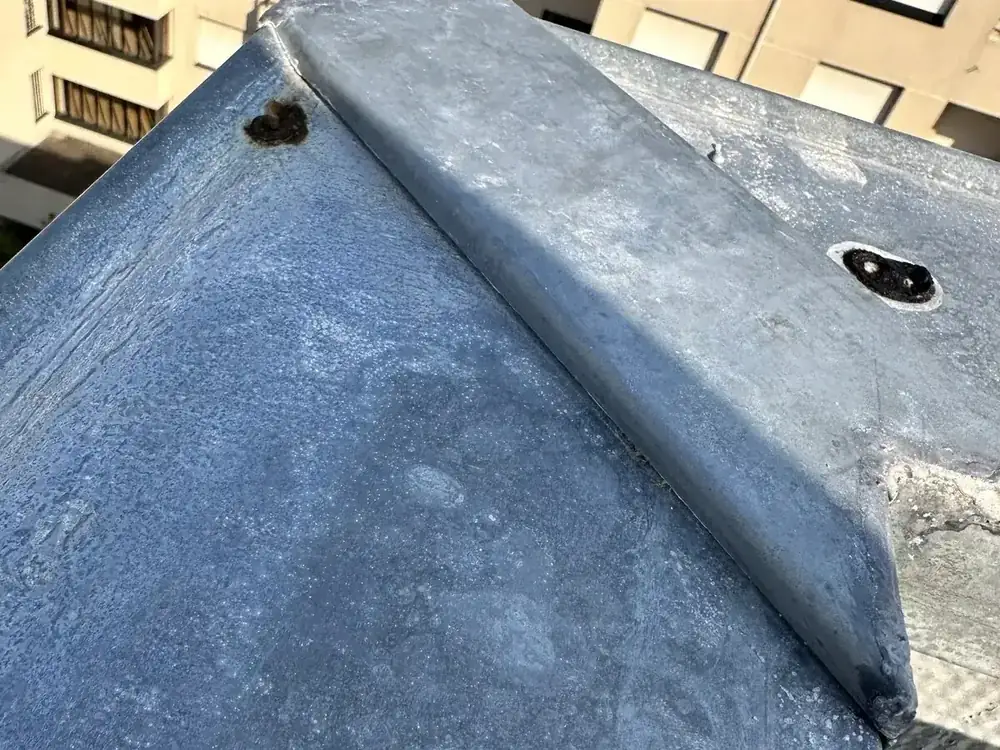
This is also the moment to look at anything about to be covered up. Once plaster goes on, whatever’s behind it is somebody’s problem in five years’ time and it’s expensive to prove. We inspect at pre-plaster with a thermal camera and a moisture meter for exactly this reason — it’s the last moment a cheap fix is still cheap.
Put it in the contract, not the conversation
All of the above is worth very little agreed verbally and a great deal written into the building contract before anyone starts: the stages defined in physical terms, the sums against each, the requirement for sign-off before release, the retention and when it’s released, and what happens if the programme slips. Builders who intend to do the work properly rarely object to any of it. The reaction you get when you propose it tells you a good deal about who you’re dealing with.
If you’re not there
None of this works if nobody is on site to do the inspecting. That’s the honest catch. A payment schedule tied to sign-off is only as good as the person doing the signing off — and if that person is the builder, you’ve simply written down the problem in more detail.
It’s the reason that, once the deposit is paid, we check contractor valuations and invoices before our clients release anything more, and tie every payment to a stage we’ve inspected and signed off ourselves. If it isn’t built, it isn’t paid. We take no commission from the builder, which is what makes that sign-off worth anything.
Rather not do the choosing yourself? Builder sourcing, vetting and a competitive tender are the front end of our project management. You hold the contract, we answer only to you, and we take nothing from the builder.
Already gone wrong? What to do when your builder disappears mid-renovation →
Got a builder’s quote on the table?
Send it over with any drawings. We go through what’s included, what’s been left out, where the quantities and allowances look light and how the payment stages are set up. Written notes within 48 hours, with the questions to put to the builder before you sign. €220 + IVA; each extra quote compared is €120.
Haven’t bought yet? Start with the pre-purchase inspection, which prices the work before you commit.
Or message Brad on WhatsApp. Same-day reply.