Portugal’s seismic risk is concentrated in the south. The Lisbon area, the Tagus valley and the Algarve are in the highest-hazard zones on the mainland. Porto and the north are much lower. If you’re buying an older building in the south, how it was built and what has been done to it since matter more than how it’s been finished.
What older Lisbon buildings are made of
After the 1755 earthquake much of central Lisbon was rebuilt with the gaiola pombalina, a braced timber frame inside the masonry walls, designed to hold the building together when the ground moves. The gaioleiro buildings of the late 19th and early 20th centuries kept some of that timber but went taller with thinner walls, and are generally considered weaker. From the 1930s to the 1950s came mixed buildings with concrete floors on masonry walls.
Portugal’s first seismic building regulation dates from 1958, and the rules were tightened in 1983. A building designed before 1958 had no seismic design requirement at all.
What weakens them
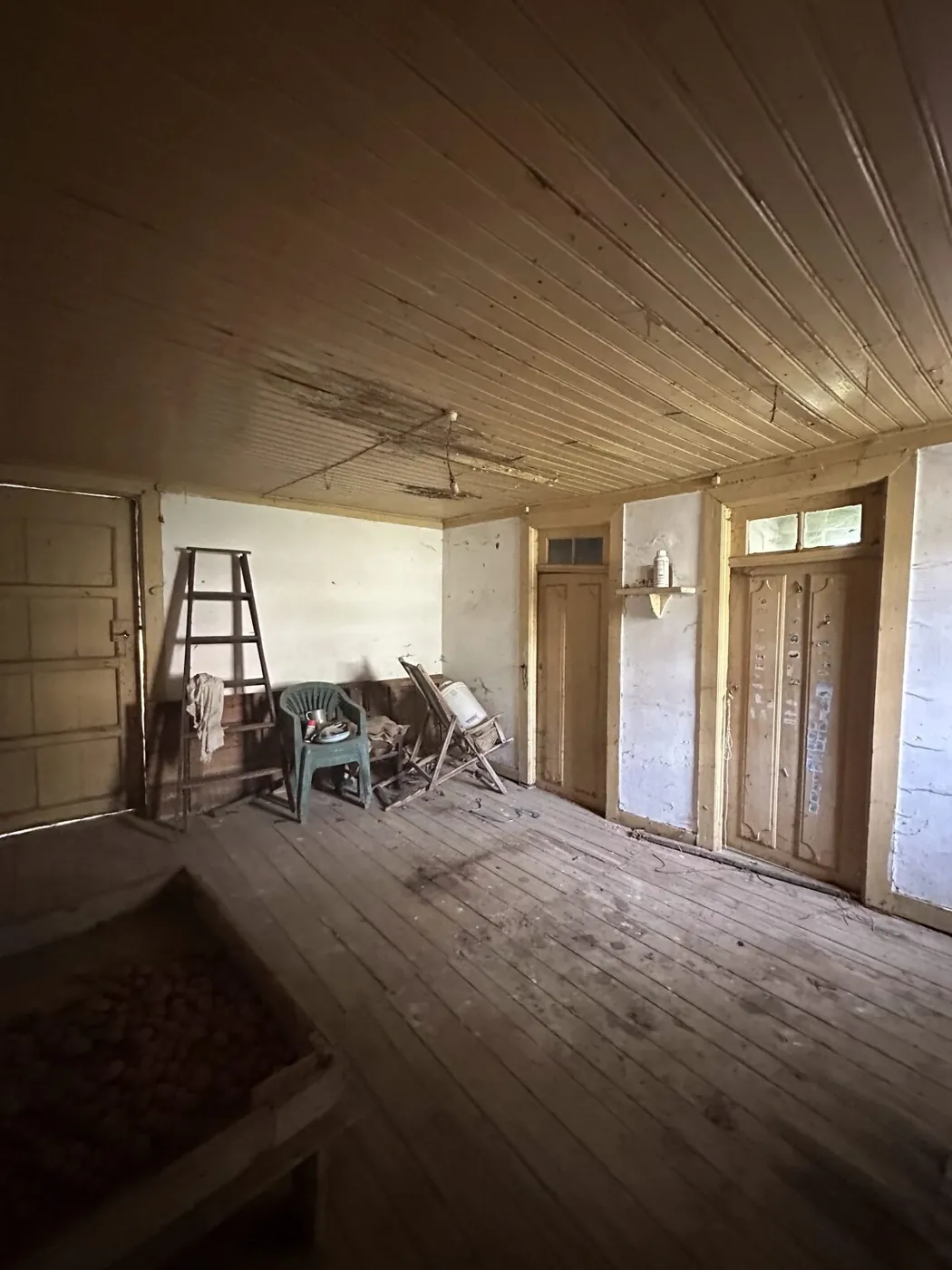
Most of the risk comes from what was done later. Walls taken out to open up shops and flats at street level. Timber bracing cut to run pipes and cables. An extra storey or a roof terrace added on top. Timber ends rotting where they sit in damp walls. Heavy new concrete slabs laid on old masonry.
On site we look for floors out of level, cracking at the corners of doors and windows, doors that bind, walls missing on one floor that are still there on the floors above, and decay where beams bear on the walls.
In the Algarve
Much of the housing there is post-1970s concrete frame and block. The issues are mostly about how it was built: open ground floors such as garages and colonnades under heavier floors above, additions built without a structural design, and rusting reinforcement where the concrete cover is thin near the sea. Unlicensed additions are a known problem in the region too.
If you plan to renovate: the 2019 rules
DL 95/2019 and Portaria 302/2019 require a seismic vulnerability assessment for some rehabilitation works, whatever the building’s age. Any one of these triggers it:
- evident signs of structural degradation
- works that change how the structure behaves
- works on more than 25% of the gross construction area, including demolition and extensions
- works costing at least 25% of an equivalent new building (15% for buildings in the higher importance classes, such as schools and hospitals)
If the assessment shows the building meets less than 90% of the required seismic action, a reinforcement project becomes mandatory. On a full renovation in Lisbon that can add an engineer’s design and structural work you hadn’t budgeted for. It’s much better to know before you buy.
What we check, and when we bring in an engineer
Our inspection reads the building the way a builder does: what’s been altered, what’s decaying, and what’s carrying the load. Where a finding needs a structural engineer’s assessment, we bring one in, quoted per job. See property inspections in Lisbon or what the pre-purchase inspection covers.
General information, not legal or engineering advice. Seismic assessment and reinforcement design are carried out by a registered engineer.
Sources: Decreto-Lei n.º 95/2019; Portaria n.º 302/2019; NP EN 1998-1 national annex (LNEC).
Thinking of buying — or stuck with a problem?
If you’ve found a property, or you’re fighting damp that keeps coming back, talk to us before you commit to anything. WhatsApp is the fastest way to reach us — we respond the same day, in plain English.
Message us on WhatsApp